Earthmoving & Construction

Construction Machinery

Full-stack electrification for electric excavators, loaders, and road equipment, including charging, auxiliary conversion, motor control, battery management, and remote connectivity.

  • High shock and vibration resistance
  • Wide voltage architecture for heavy-duty platforms
  • Stable operation from -40°C to +55°C
Construction Machinery
Access Solutions

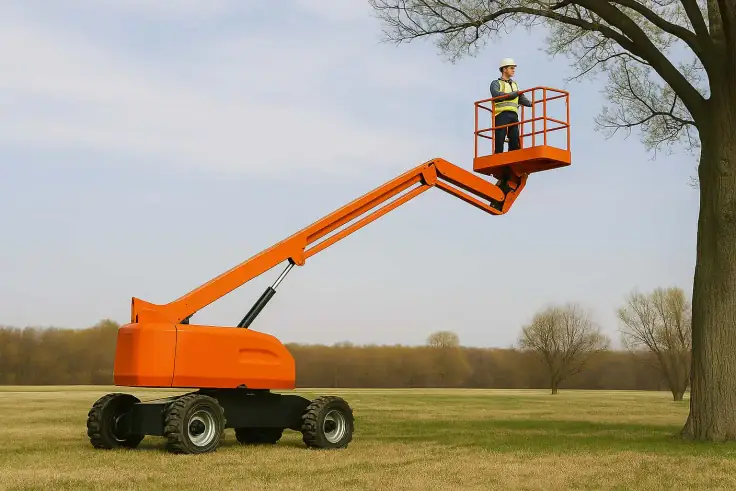
Aerial Work Platforms (AWP)

Integrated electrification package for scissor lifts, boom lifts, and telehandlers, optimized for compact installation and high uptime.

  • IP67-ready design for outdoor operation
  • Coordinated charging, battery, and drive control
  • Support for lithium and lead-acid systems
Aerial Work Platforms
Smart Logistics

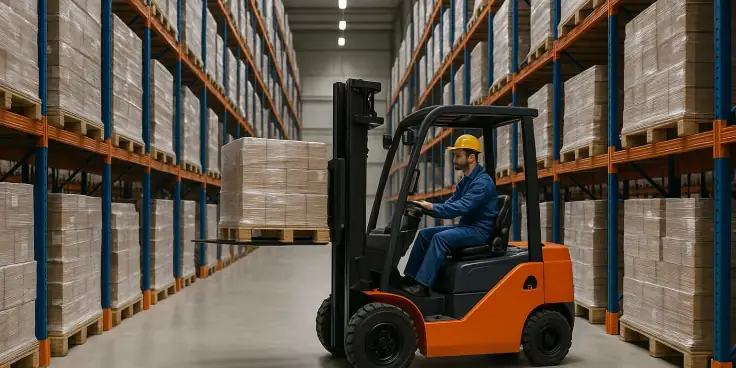
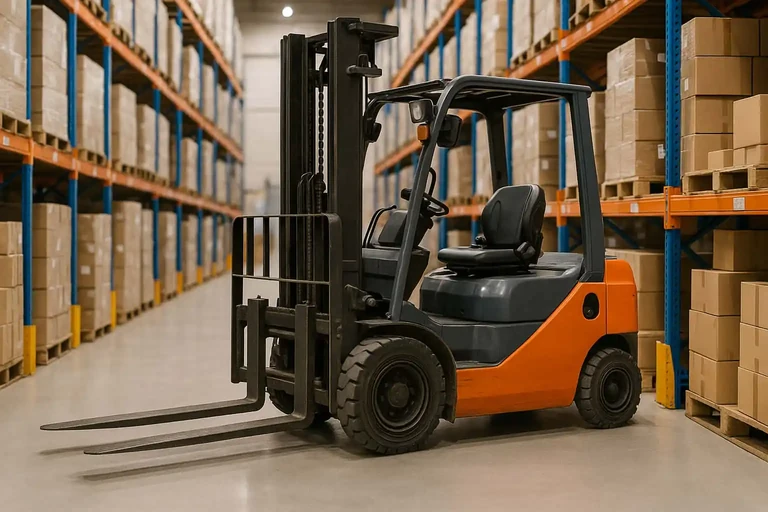
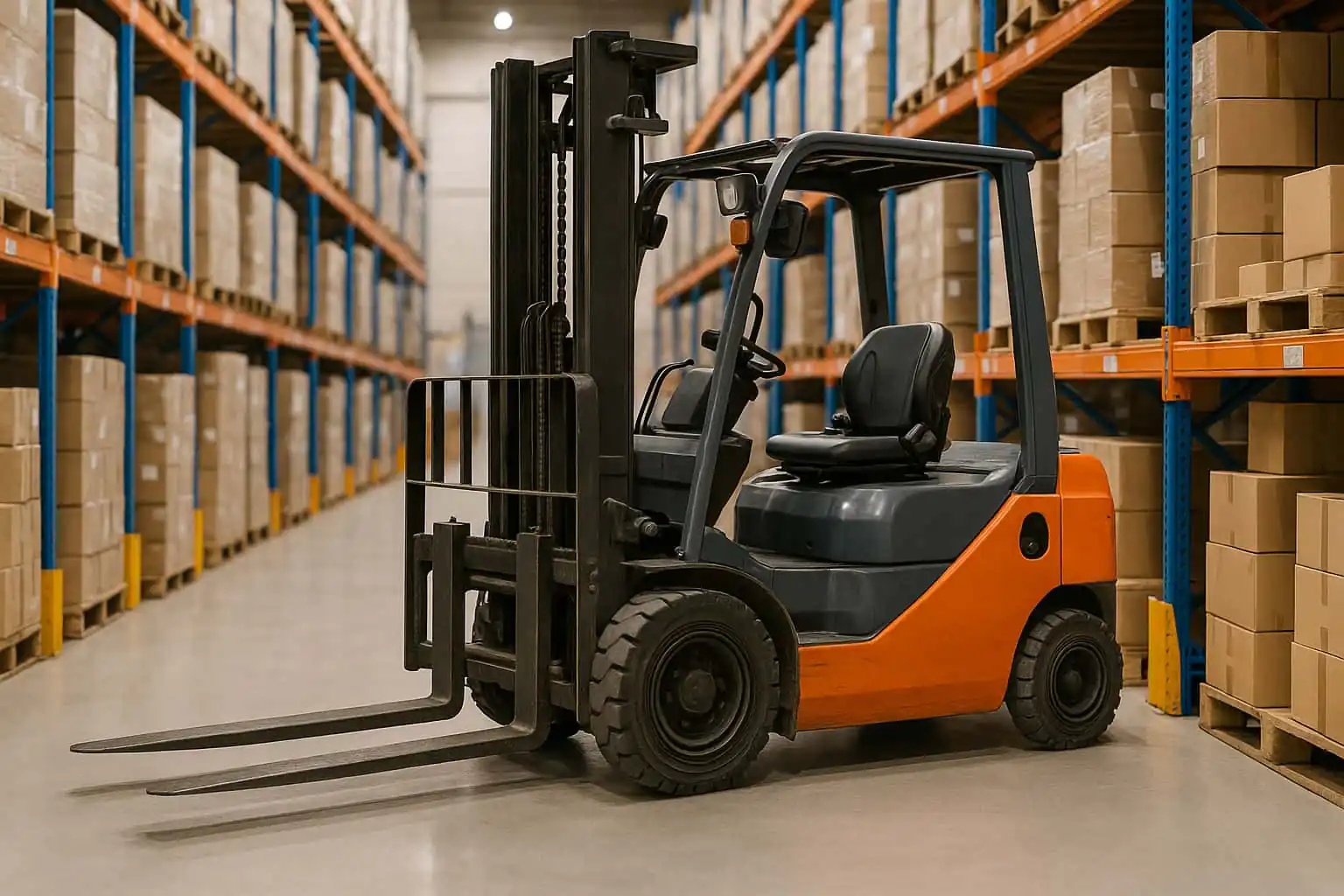
Material Handling

System solutions for electric forklifts, reach trucks, and AMR vehicles, combining fast charging, traction control, and fleet-level visibility.

  • Rapid opportunity charging for multi-shift fleets
  • CAN 2.0B / J1939 communication support
  • System-wide electrical safety isolation
Material Handling
Modern Farming

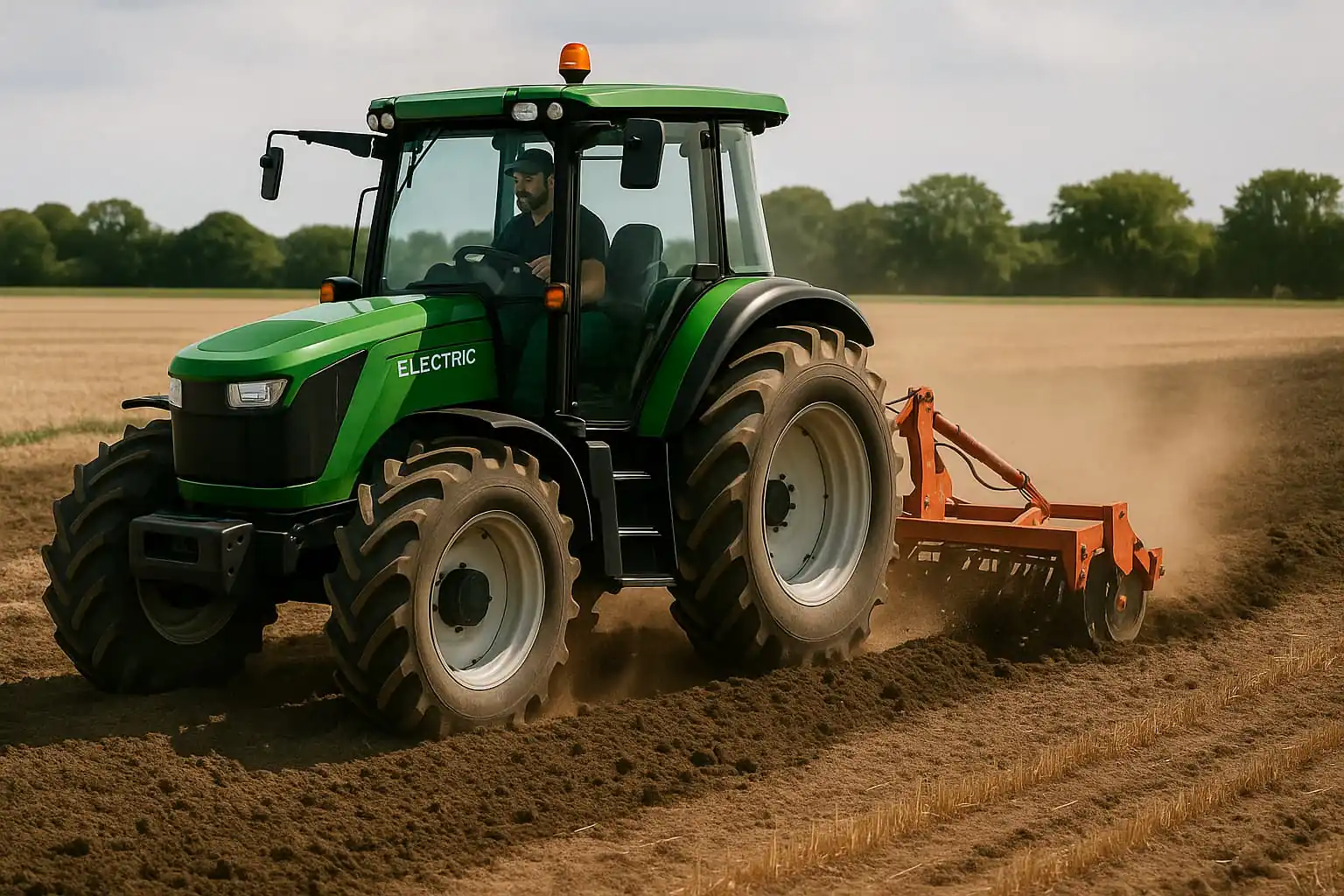
Agricultural Machinery

Rugged electrification systems for electric tractors, harvesters, and irrigation vehicles, with reliable field operation and remote diagnostics.

  • Field-ready enclosure and thermal performance
  • Remote diagnostics and fleet data visibility
  • Configurable powertrain and auxiliary architecture
Agricultural Machinery
Professional Services

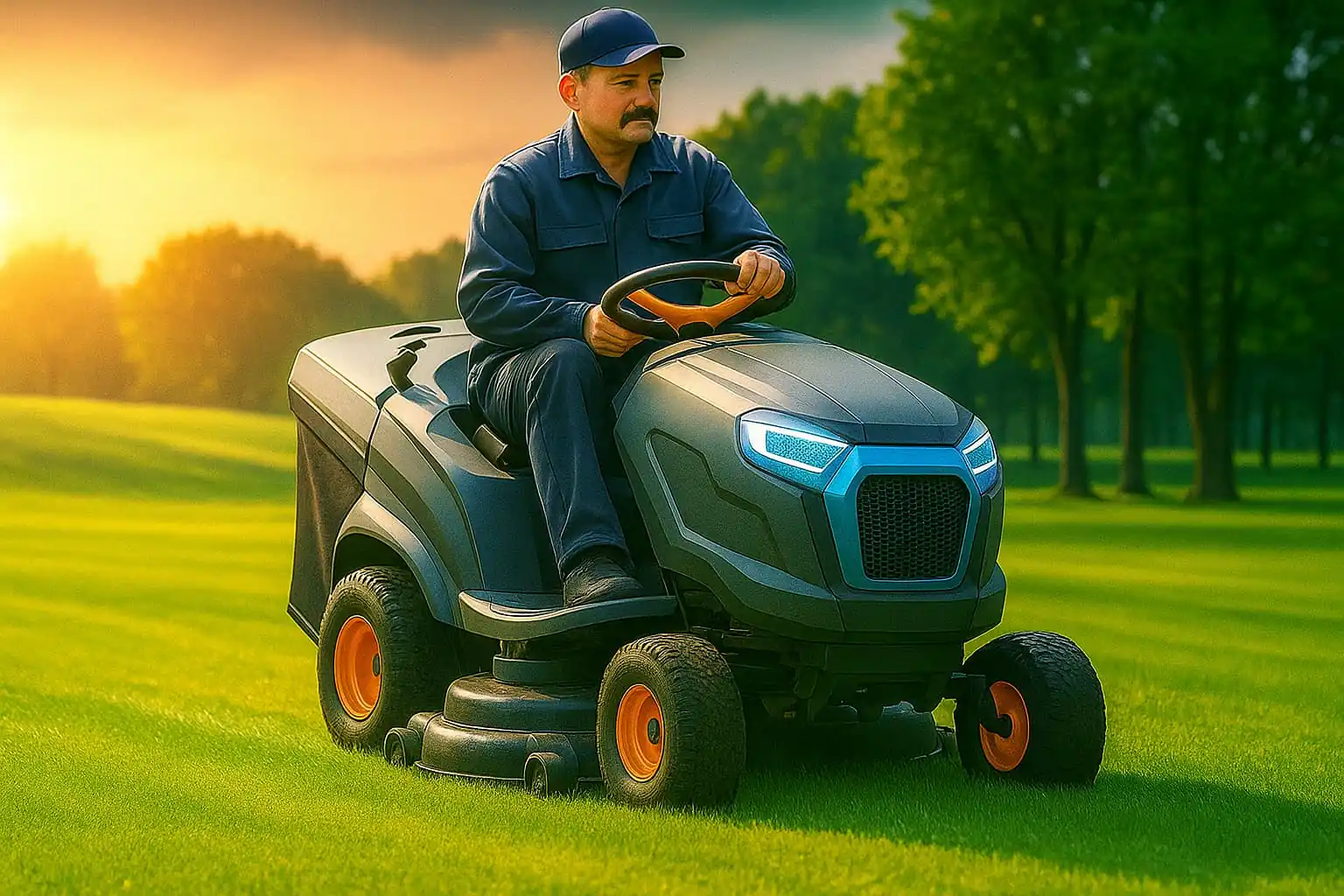
Specialty Industrial Mobility

Flexible system architecture for sweepers, utility carts, and airport ground support equipment, built for frequent charging and long daily runtime.

  • Multi-voltage platform adaptation
  • Modular integration for fast implementation
  • Low noise and high conversion efficiency
Specialty Mobility
Delivery Workflow

How We Execute Integration Projects

A practical six-step process from technical definition to pilot validation and scale-up.

  1. Step 1

    Define operating profile

    Confirm vehicle duty cycle, battery chemistry, voltage class, and required runtime targets.

  2. Step 2

    Build product combination

    Select charger, DCDC converter, BMS, motor controller, and telematics modules based on system architecture.

  3. Step 3

    Map communication and control

    Align CAN 2.0B or J1939 signals, diagnostic data points, and fault strategy across all controllers.

  4. Step 4

    Validate thermal and protection margins

    Verify operation from -40C to +55C for standard configurations and define thermal derating windows.

  5. Step 5

    Prototype integration and calibration

    Assemble first-article systems, tune charger and controller parameters, and close key software calibration items.

  6. Step 6

    Pilot and scale production

    Run pilot integration, lock calibration, and transition to volume supply with field service support.

FAQ

Common Integration Questions

Key questions from OEM and fleet teams when planning electrification programs.

Can Z-Linx supply only one subsystem?

Yes. We support both single-product sourcing and multi-product system packages depending on your integration scope.

What communication protocols are supported?

Standard support includes CAN 2.0B and J1939, with project-level signal mapping for full-system interoperability.

What temperature range can the solutions cover?

Most standard products support stable operation from -40C to +55C. Selected water-cooled configurations can extend beyond this range.

Can telematics be combined with other Z-Linx products?

Yes. Telematics Cloud can be integrated with chargers, BMS systems, and motor controllers for remote diagnostics and fleet visibility.

Do you support OEM customization?

Yes. We provide model-level customization for electrical interfaces, control logic, and communication configuration.